Free vending machine placement in Vancouver: how it actually works
By Hayden8 min read
Free vending machine placement is the standard offer in Vancouver — every operator advertises it, from the old-line companies to smart-store newcomers like us. And it genuinely is free. But “free” deserves a full explanation, because knowing how the model works is exactly what lets you choose a good operator over a mediocre one. Here’s the whole arrangement, in the open.
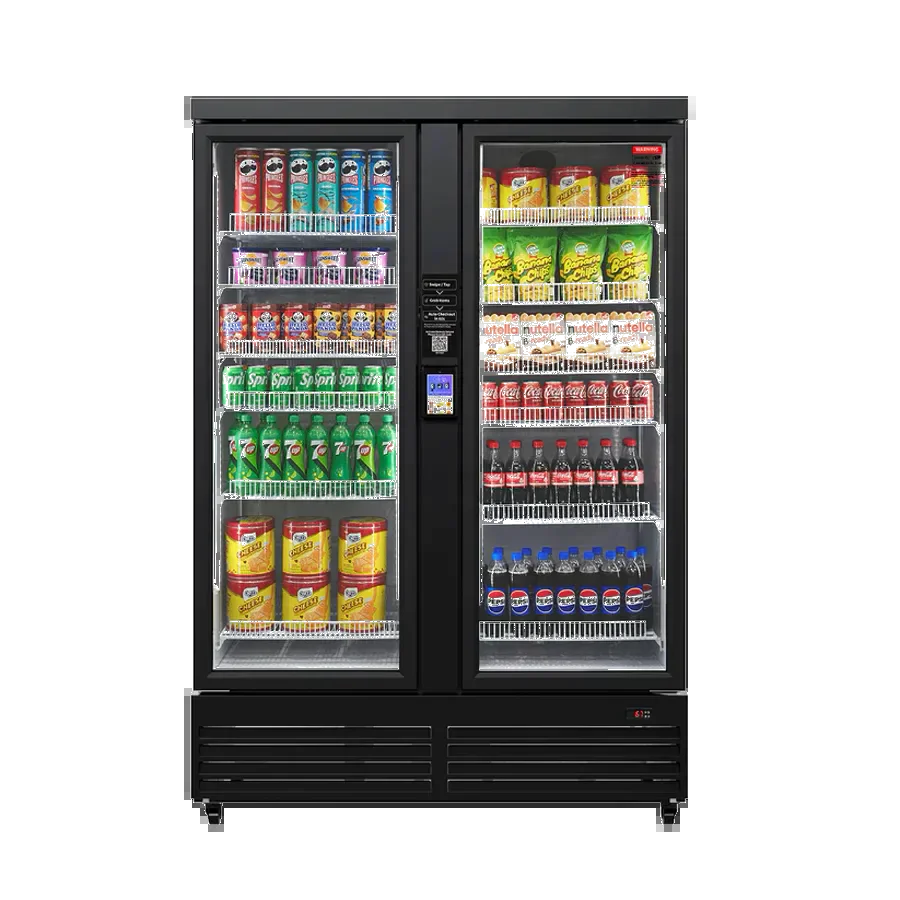
The business model, in the open
Unattended retail is a simple trade — and a big one: the trade publication Vending Market Watch pegs the convenience-services industry at over US$40 billion, nearly all of it running on this same placement arrangement. The operator owns expensive equipment and earns margin on every drink and snack sold. The host owns something the operator can’t buy: foot traffic. Placement agreements marry the two — the operator installs, stocks and services a machine at their cost, in exchange for the right to sell to the people already walking through your building.
That’s why nobody charges hosts: your traffic is the payment. It’s also why good operators are selective about locations (more on qualification below) and why they work hard to keep hosts happy — losing a good location is losing the whole investment.
What “free” includes
In a properly run placement, the operator pays for all of this:
- The equipment itself — for AI smart stores, a five-figure cabinet.
- Delivery and installation, including levelling and floor protection.
- All inventory and the restocking labour, on an ongoing basis.
- Connectivity — modern cabinets carry their own cellular link, so your building’s network is untouched.
- Service, cleaning and repairs, plus shopper support (on smart stores, a QR code on the door reaches the operator directly).
- Insurance — commercial general liability, certificate available on request.
- Taxes on sales — the operator registers for and remits GST/PST per BC’s PST rules, which have a vending-specific quirk worth asking about (soda in a machine makes all its beverages taxable).
What your building provides
Three things, and genuinely only three:
- Floor space — one to two fridge-widths for a smart store; more for a combo micro market.
- A standard 110V outlet within reach of the spot.
- Access for restocking — a door protocol or fob for scheduled visits.
That’s the entire host side. If an “operator” asks a host for equipment fees, deposits or purchase financing, you’re not looking at a placement offer — you’re looking at a machine sale wearing one. And if you’re still deciding which format to host in the first place, our smart coolers vs. vending machines comparison covers that decision.
Does your location qualify?
The honest gate is daily foot traffic, because inventory and service visits cost real money regardless of sales. Rules of thumb we use at Tidewater:
- 50+ people a day — supports a single smart cooler or snack store.
- 150+ people a day (or shift crews around the clock) — supports a high-capacity combo market.
- Under ~30 — most operators should decline, and you should be suspicious of one who doesn’t explain why they’re saying yes.
Traffic quality matters as much as quantity: a 24/7 warehouse crew of 80 often out-buys an office of 200 that empties at 5pm. Gyms punch above their headcount too — every class ends with thirsty people standing next to the cooler.
Commissions and product credit
Some hosts negotiate a commission — typically 5–10% of sales in office settings. It’s real money at high-volume sites and rounding error at small ones, which is why many hosts skip it for simplicity, or take product credit instead (a monthly allowance the team spends at the machine — it costs the operator less than cash, so it usually stretches further). A fair operator will show you the math for your traffic level rather than promising a percentage into the void.
Questions to ask any operator (including us)
- Who insures the equipment, and can you show the certificate?
- What’s the removal clause if we’re unhappy?
- How is restocking scheduled — fixed route, or from live inventory data?
- How do shoppers get refunds when something goes wrong?
- How do you handle BC’s PST-on-beverages rule?
- What will the machine look like in our space — can we see a render first?
Any operator worth hosting answers all six without flinching. Ours are on the FAQ page, and the fastest way to get building-specific answers is a free site walk — request one here.
FAQ
Is free vending machine placement really free?
Yes — in the standard model the operator owns the equipment and earns from product sales. The host provides space and power. Reputable operators put this in a simple written agreement with no fees anywhere in it.
How many people does my building need?
As a rule of thumb: about 50 people a day supports a single smart store; 150+ supports a high-capacity combo market. Below ~30, most operators will decline honestly — commission on near-zero sales helps no one.
Can the machine be removed if we're unhappy?
It should be — ask for a removal clause before signing. Tidewater's agreements include free removal if the store isn't working for your building.
Who is responsible if the machine damages our floor or a shopper has an issue?
The operator should carry commercial general liability insurance (commonly $2M) and be able to show the certificate. Installation done properly includes floor protection and levelling.
Does the building handle taxes on sales?
No — the operator is the seller and handles GST and BC PST collection and remittance. The host has no tax role in the standard placement model.